
Face Fit Testing: Why It Matters and What Employers Need to Know
When employees need tight-fitting Respiratory Protective Equipment (RPE), selecting the right mask is important, but ensuring it fits the individual wearer is absolutely essential.
Face Fit Testing is important for checking that the mask fits the individual wearer properly and can provide the intended level of protection.
The Health and Safety Executive (HSE) explains that RPE cannot protect the wearer effectively if it leaks. Poor fit is a major cause of leakage, which is why tight-fitting facepieces need to fit the individual wearer correctly.
So, what does Face Fit Testing involve, when is it needed, and what does HSE guidance INDG479 mean for employers? Let’s take a look at some key things to be aware of.
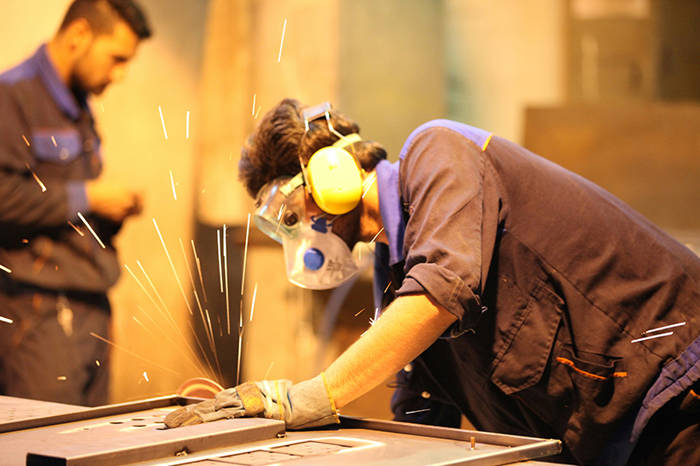
What is Face Fit Testing?
Face Fit Testing checks whether a particular tight-fitting respirator can create an adequate seal against an individual's face.
Everyone has a different facial shape and size, so a respirator that fits one person well may not fit another. Issuing the same mask to an entire workforce does not mean that everyone will receive the same level of protection.
The HSE recommends carrying out fit testing as part of the initial RPE selection process. Once an employee successfully passes a test, the same make, model, type and size of facepiece should be made available for them to use. If an employee uses more than one type of tight-fitting facepiece, each of them should be fit tested.
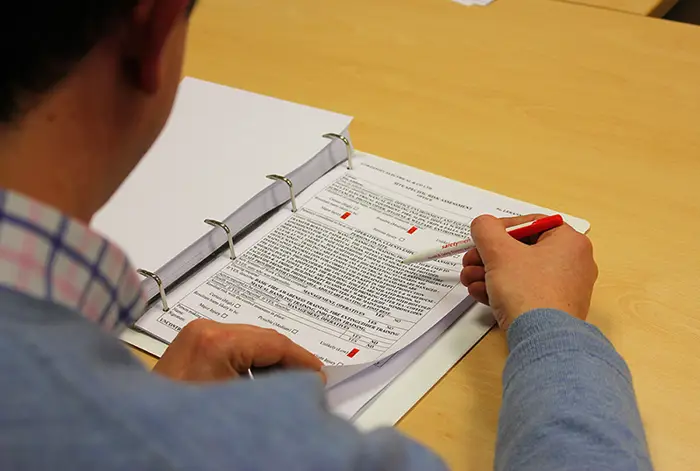
Why is Face Fit Testing important?
Tight-fitting respirators depend on creating a good seal between the mask and the wearer's face. If that seal is not effective, contaminated air can enter through gaps around the edges rather than passing through the filter.
This matters wherever employees could be exposed to respiratory hazards such as dusts, fumes, fibres, mists, gases or vapours. Examples can include silica dust, wood dust, welding fumes, asbestos fibres and chemical vapours.
Face Fit Testing is therefore not simply a compliance exercise. It helps establish whether the RPE selected for an employee has the potential to protect them properly.
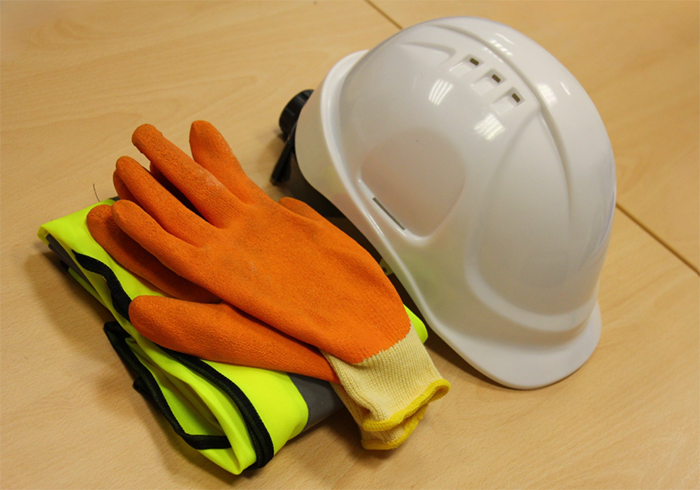
What does HSE guidance INDG479 say?
An important document for employers using tight-fitting RPE is INDG479: Guidance on Respiratory Protective Equipment (RPE) Fit Testing.
The HSE published the revised INDG479 (rev 2) in October 2025. It provides guidance for employers and those carrying out Face Fit Testing, including:
What a fit test can achieve
Different fit-testing methods
The core information that should be included in a fit-test report
The guidance explains that when RPE is used as a control measure under health and safety legislation, the equipment selected must be both adequate and suitable.
It also explains that Approved Codes of Practice supporting regulations including COSHH, the Control of Lead at Work Regulations and the Control of Asbestos Regulations stipulate that tight-fitting RPE should be fit tested as part of the selection process.
For employers, it’s important to remember that the right respirator is only effective when it fits the person wearing it correctly.
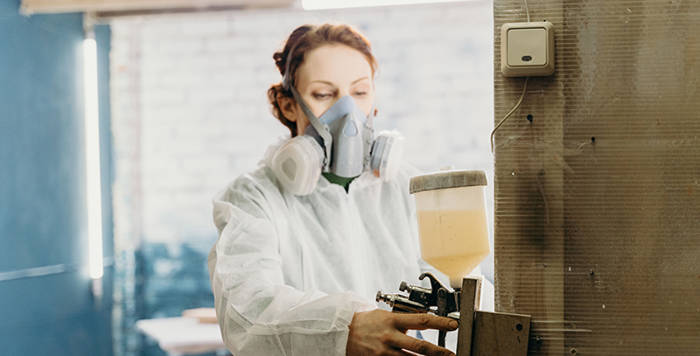
Which masks need Face Fit Testing?
Face Fit Testing concerns tight-fitting RPE, where protection depends on achieving an effective seal between the facepiece and the wearer's face.
If an employee wears more than one type of tight-fitting facepiece, each type should be fit tested. A successful test should not be treated as approval to use any respirator because the result relates to the particular make, model, type and size worn during the test.
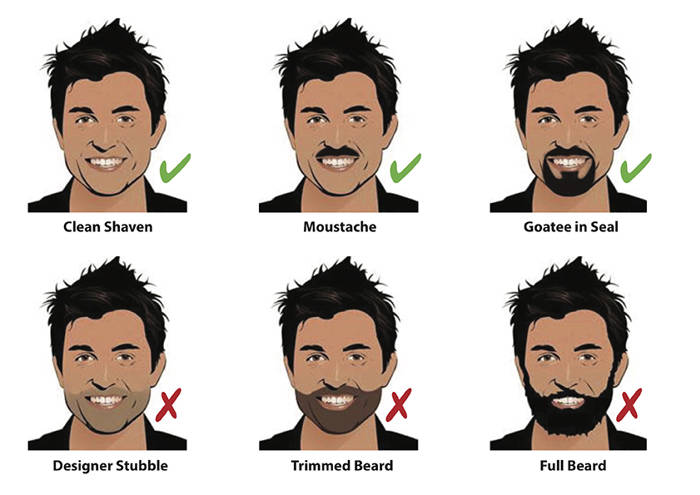
What About Beards and Facial Hair?
Facial hair is an important consideration when using tight-fitting RPE. HSE guidance explains that stubble and beards can prevent a mask from creating a good seal against the face.
Workers using tight-fitting masks should be clean-shaven where the mask needs to seal against their skin. Where someone has good reason to maintain facial hair, such as for religious reasons, alternative forms of RPE that do not rely on a tight facial seal may need to be considered.
Even a small amount of facial hair can compromise the effectiveness of respiratory protection, potentially exposing workers to harmful airborne substances. Employers should ensure that suitable RPE is provided and that workers understand the importance of achieving a proper fit to maintain their safety.
Face Fit Test vs Fit Check: What is the Difference?
These terms are easily confused, but they are not the same thing.
Face Fit Test | Fit Check |
A formal assessment of whether a particular facepiece is suitable for an individual wearer. | A check carried out by the wearer when the respirator is put on. |
Applies to the specific make, model, type and size tested. | Helps confirm the mask has been fitted correctly before use. |
Passing a Face Fit Test does not remove the need to fit and check the mask correctly each time it is worn.
When should Face Fit Testing be repeated?
A Face Fit Test isn’t a one-off approval that covers every mask an employee may use. Further testing may be needed if the make, model, type or size of the respirator changes, or if there are changes to the wearer that could affect the fit. This might include significant weight loss or gain, facial surgery or major dental work. Re-testing may also be appropriate if the wearer is no longer able to achieve a satisfactory seal.
For employers, it’s helpful to think of Face Fit Testing as an ongoing part of effective RPE management, rather than simply something that is completed once.
Make Face Fit Testing an Effective Part of RPE Management
Face Fit Testing is important, but it is only one part of protecting employees from respiratory hazards.
Employers should also consider:
• Assessment and control of the respiratory hazard
• Selection of RPE that is adequate for the hazard and suitable for the wearer
• Instruction and training on correct use
• A fit check every time the respirator is put on
• Inspection, cleaning, maintenance and storage of reusable RPE
• Replacement arrangements for damaged or worn equipment
Need Face Fit Testing for your employees?
If your employees use tight-fitting masks or respirators at work, Safetymen can provide Face Fit Testing to help confirm that their RPE fits correctly.
Testing is available in the classroom or on-site. Operatives should be clean-shaven and bring the respirator they use at work with them to their Face Fit Test. Disposable respirators should be new, unused and in their original packaging, while reusable respirators should be in good condition and well maintained.
The Face Fit Test applies to the specific respirator tested, helping to ensure the equipment provided is suitable for the individual wearer.
Contact Safetymen today to arrange Face Fit Testing for your team, or view upcoming Face Fit Testing dates and course information: Face Fit Testing Service for RPE Compliance | Safetymen