How HR Can Support a Healthier Workforce
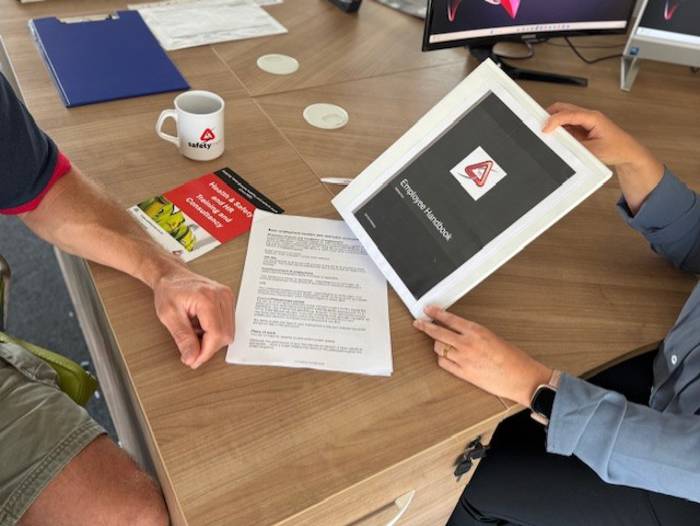
Employee wellbeing is no longer a standalone HR initiative. For UK businesses, it is closely linked to workplace safety, sickness absence, productivity, staff retention and company culture. This article explores how HR teams can support healthier workplaces through early intervention, wellbeing policies, occupational health advice and joined-up health and safety practices.
In today's workplace, employee wellbeing is no longer just a nice-to-have initiative. It is a fundamental business priority that can influence sickness absence, productivity, staff morale and retention. When employees feel supported, listened to and able to access the right help early, organisations are better placed to maintain a healthier and more engaged workforce.
While managers and leadership teams play an important role, Human Resources (HR) practices are often at the centre of workplace health and wellbeing strategies. By working closely with occupational health professionals, health and safety consultants and senior leaders, HR can help employees remain healthy, safe and in work throughout their careers.

Why Keeping Employees in Work Matters
Good work can contribute positively to both physical and mental wellbeing. Employment can provide routine, social interaction, financial security and a sense of purpose. However, when health concerns arise, employees may struggle to perform their duties effectively without the right workplace support.
For employers, sickness absence can also have wider business consequences, including reduced productivity, increased recruitment and training costs, higher absence-related expenditure, lower morale and a greater risk of workplace accidents. This is why a proactive approach to employee wellbeing, absence management and workplace safety is so important.
By identifying concerns early and signposting employees towards appropriate support, HR teams can reduce the likelihood of health issues escalating into prolonged absences. This can also help businesses create a more open, supportive culture where employees feel able to raise concerns before they become more serious.
The Role of HR in Workplace Health Management
1. Identifying Issues Early: One of HR's most important responsibilities is recognising when employees may be struggling. This could be through absence monitoring, performance discussions, return-to-work interviews, regular wellbeing check-ins or feedback from managers. Early intervention often leads to better outcomes because suitable support can be put in place before a concern becomes a longer-term health or safety issue.
2. Supporting Mental Health and Wellbeing: Mental health can affect employees at every level of an organisation and in every sector. HR teams can help by promoting a positive workplace culture, training managers to recognise potential warning signs, implementing wellbeing policies, facilitating access to professional support and encouraging open conversations around mental health.
3. Managing Absence Fairly and Consistently: When sickness absence does occur, HR plays a vital role in ensuring it is managed fairly, consistently and compassionately. This includes maintaining appropriate communication, providing reassurance, arranging occupational health referrals where needed, considering reasonable adjustments and developing return-to-work plans that support both the employee and the organisation.
4. Connecting Wellbeing with Health and Safety: Employee wellbeing should not sit separately from workplace health and safety. Stress, fatigue, poor communication, lack of training and low morale can all influence how safely people work. By taking a joined-up approach, HR and health and safety teams can help businesses reduce risk, improve communication and build a stronger workplace culture.
Expert View from Safetymen
Amie Healey, HR Director at Safetymen, explains that the value of well-being policies is sometimes overlooked because the benefits are often preventative rather than immediately visible:
“It can be difficult to recognise the direct benefits of wellbeing policies and practices, as these are mostly about preventing problems and shaping that intangible thing: culture. Organisations that do not take this seriously will often face problems such as staff retention and low morale, but fail to make the association. Often, clients are concerned about opening a can of worms within their organisation and think that by shining a light on mental health and wellbeing, they will somehow make it worse. My advice is that we cannot solve the problem without first getting to the root of it. Whether we like to admit it or not, all humans will face challenges in life. Let’s do what we can to help them through it.”
- Amie Healey, HR Director at Safetymen.

Why Wellbeing Policies Need to Be Practical
Wellbeing policies are most effective when they are more than a document stored away in a handbook. They should be practical, visible and supported by managers who understand how to respond when an employee raises a concern. This may include clear absence procedures, mental health awareness training, regular check-ins, access to support and a culture where people feel able to speak up without fear of judgement.
For many businesses, the challenge is knowing where to start. A useful first step is to review current processes and ask whether employees know where to go for help, whether managers feel confident handling conversations around wellbeing, and whether health, safety and HR responsibilities are working together rather than in isolation.

The Importance of Occupational Health
Many HR professionals rely on occupational health services to provide expert guidance on workplace health matters. Occupational health assessments can help organisations understand whether an employee is fit for work, what adjustments may support their role, what return-to-work recommendations should be considered and whether there are any workplace risks affecting health.
Independent occupational health advice enables HR teams and managers to make informed decisions that balance employee wellbeing with operational requirements. It can also help ensure decisions are fair, consistent and based on professional guidance rather than assumptions.
This support can be particularly valuable when dealing with complex health concerns, long-term absence or situations where an employee may need adjustments to help them remain in work. By seeking advice early, organisations may also be able to identify potential issues before they lead to prolonged absence or further workplace difficulties.
Need Support with Employee Health, Safety and Compliance?
Safetymen works with businesses across Essex, Suffolk and beyond to provide professional Health & Safety Consultancy, HR support, accredited training, Face Fit Testing and HAV testing services.
Whether you are looking to strengthen compliance, improve workplace safety, support employee wellbeing or manage absence more effectively, Safetymen can help you take a practical and proactive approach. Our experienced team works closely with businesses to provide tailored advice, guidance and support that reflects the needs of both your organisation and your workforce.
By bringing health, safety and employee wellbeing together, businesses can create safer, healthier and more productive working environments while helping to manage risks and meet their ongoing responsibilities.
Contact Safetymen today to find out how we can support your business and your workforce.