Understanding Fire Safety
Fire safety is a responsibility every UK business should take extremely seriously. Whether you run a small office, manage a warehouse or operate a large commercial premises, there are legal duties around identifying fire risks, protecting your people and ensuring suitable procedures are in place.
But what does this actually mean for a typical business owner?
Here at Safetymen, our Fire Safety Expert, Graham Healey, explains that effective fire safety is about more than simply having the right equipment in place:
“An effective fire safety strategy means ensuring every employee understands the risks, knows what to do in an emergency, and that key members of staff have the appropriate training to carry out their responsibilities.”
From Fire Risk Assessments and emergency procedures to fire drills, fire extinguishers and Fire Marshals, here are some of the most common questions businesses have about workplace fire safety.
Who Is Responsible for Fire Safety in a Workplace?
Under the Regulatory Reform (Fire Safety) Order 2005, the responsible person (usually the employer) has duties relating to fire safety in relevant non-domestic premises in England and Wales.
Depending on the circumstances, the responsible person can include an employer, owner, landlord, occupier or another person who has control of the premises.
Their responsibilities can include carrying out and reviewing the Fire Risk Assessment, implementing appropriate fire safety measures, providing information and training and maintaining suitable fire safety arrangements.
It's therefore important that businesses understand who their responsible person is and what their responsibilities involve.
What Are Some Common Fire Safety Issues?
Fire risks can vary significantly depending on the type of workplace, but some of the issues we see are more common than others:
1. Blocked or obstructed escape routes: Emergency exits and escape routes must be kept clear so people can leave the building quickly and safely. Storing boxes, equipment or other materials in corridors, stairways or near emergency exits can create a serious risk during an evacuation.
2. Poor housekeeping: Rubbish and waste piling up, combustible materials and general clutter can increase the likelihood of a fire and give it additional fuel if one starts.
3. Faulty electrical equipment: Damaged cables, overloaded sockets, faulty appliances and poorly maintained electrical equipment can all increase fire risks. Electrical equipment should be appropriately maintained, PAT tested and employees should know how to report faults.
Common Fire Safety Issues Continued...
4. Fire doors being wedged open: This is a really common one, especially in summer. Fire doors are designed to help slow the spread of fire and smoke through a building. Propping them open can compromise their effectiveness.
5. Inadequate fire safety training: Even if a workplace has suitable fire alarms and extinguishers, employees need to know what to do if the alarm sounds. Every member of staff should understand evacuation procedures, the location of fire exits and assembly points, as well as who is responsible for assisting with evacuation.
The good news is that many of the fire safety issues identified during workplace assessments can be avoided through simple, proactive measures:
"Thankfully, most workplace fire risks are preventable. Regular checks, good housekeeping and well-trained staff can make a significant difference to safety and emergency preparedness." Graham Healey, Fire Safety Expert.
How Often Should a Fire Drill Take Place?
There isn't a single frequency that applies to every UK workplace.
The frequency of fire drills should be determined by the circumstances of the premises and the findings of the fire risk assessment. Businesses should ensure that employees are familiar with the evacuation procedure and that arrangements are tested regularly.
For many workplaces, at least one fire drill per year is used as a minimum benchmark, although more frequent drills may be appropriate depending on the level of risk, the type of premises and how often staff change.
Businesses should also consider carrying out a drill when there are significant changes to the workplace, such as a change in layout, occupancy or evacuation procedures.
After a drill, it's important to review and record what happened. For example, were there any delays? Did everyone know where to go? Were any exits blocked? Did anyone require additional assistance?
A fire drill isn't a box ticking exercise, it's an opportunity to identify weaknesses in your emergency arrangements.
Does Every Business Need a Fire Marshal?
Not every UK business is legally required to have someone with the specific job title of Fire Marshal. However, businesses do need to have suitable arrangements in place to manage fire safety and evacuation.
Under the Regulatory Reform (Fire Safety) Order 2005, the responsible person must ensure that there are enough competent people to implement the fire safety procedures. In staffed premises, this will often mean appointing Fire Wardens or Fire Marshals to help manage evacuations.
The number of Fire Marshals needed will depend on factors such as the size and layout of your business premises, the number of people present, the level of fire risk and the needs of anyone who may require additional assistance during an evacuation.
What is Fire Marshal Responsible for?
A Fire Marshal or Fire Warden is usually responsible for tasks such as:
• Helping employees and visitors evacuate safely
• Checking designated areas have been evacuated (where it is safe to do so)
• Directing people towards emergency exits and the assembly point
• Identifying any problems with the evacuation procedure
• Supporting the responsible person with fire safety arrangements
• Helping to ensure fire exits and escape routes remain clear
• Taking part in fire drills and helping identify areas for improvement
It's important to remember that a Fire Marshal should never put themselves at risk. Their primary role during an emergency is to help people evacuate safely, not to fight fires.
For smaller businesses, one person may be able to fulfil the role, depending on the findings of your Fire Risk Assessment. Larger or higher-risk workplaces may require several trained Fire Marshals, particularly where premises have multiple floors, departments or areas.
Ultimately, your Fire Risk Assessment will help determine what fire safety arrangements your business needs, including whether Fire Marshals or Fire Wardens are required and how many competent people are needed.
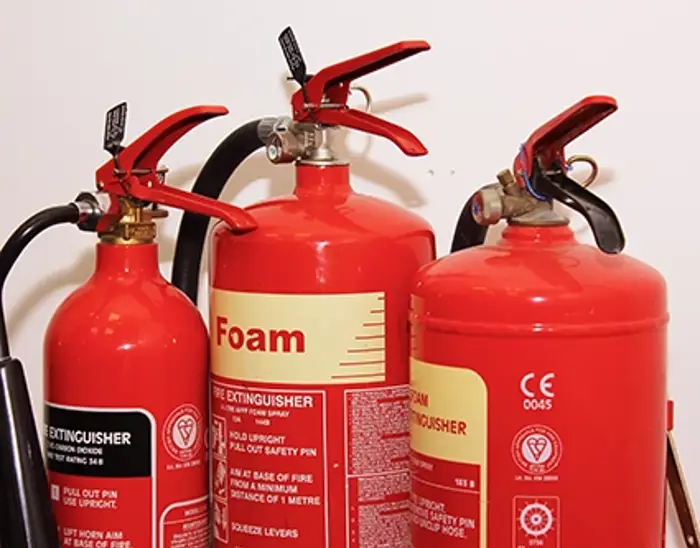
Does Every Business Need Fire Extinguishers?
The type, number and location of fire extinguishers and other firefighting equipment can also be determined by the Fire Risk Assessment.
Businesses should have appropriate firefighting equipment where necessary and it should be suitable for the risks present. For example, the risks in a modern open plan office will be different from those in a commercial kitchen, workshop or warehouse.
It's also important to remember that fire extinguishers aren't there for everyone to use. Employees should only attempt to tackle a fire if they have been appropriately trained, the fire is small and it is safe to do so. The priority should always be getting people to safety.
Summary
Fire safety isn't something that should only be reviewed when an inspection is due. It's an ongoing part of running a safe and responsible business. By regularly reviewing fire risks, maintaining equipment, keeping escape routes clear and ensuring staff receive the right training, businesses can significantly reduce the likelihood and impact of a fire.
Ultimately, effective fire safety is much more than fire alarms, extinguishers and compliance. It's about creating a workplace where people understand the risks, know how to respond in an emergency and feel confident that the right procedures are in place to keep everyone safe.
At Safetymen, we provide practical health and safety training to help you and your team understand your responsibilities, feel confident in an emergency and keep your workplace safer.
Want to improve your team's fire safety knowledge? Get in touch with Safetymen to find out more about our Fire Safety and Health & Safety training courses.